한국어
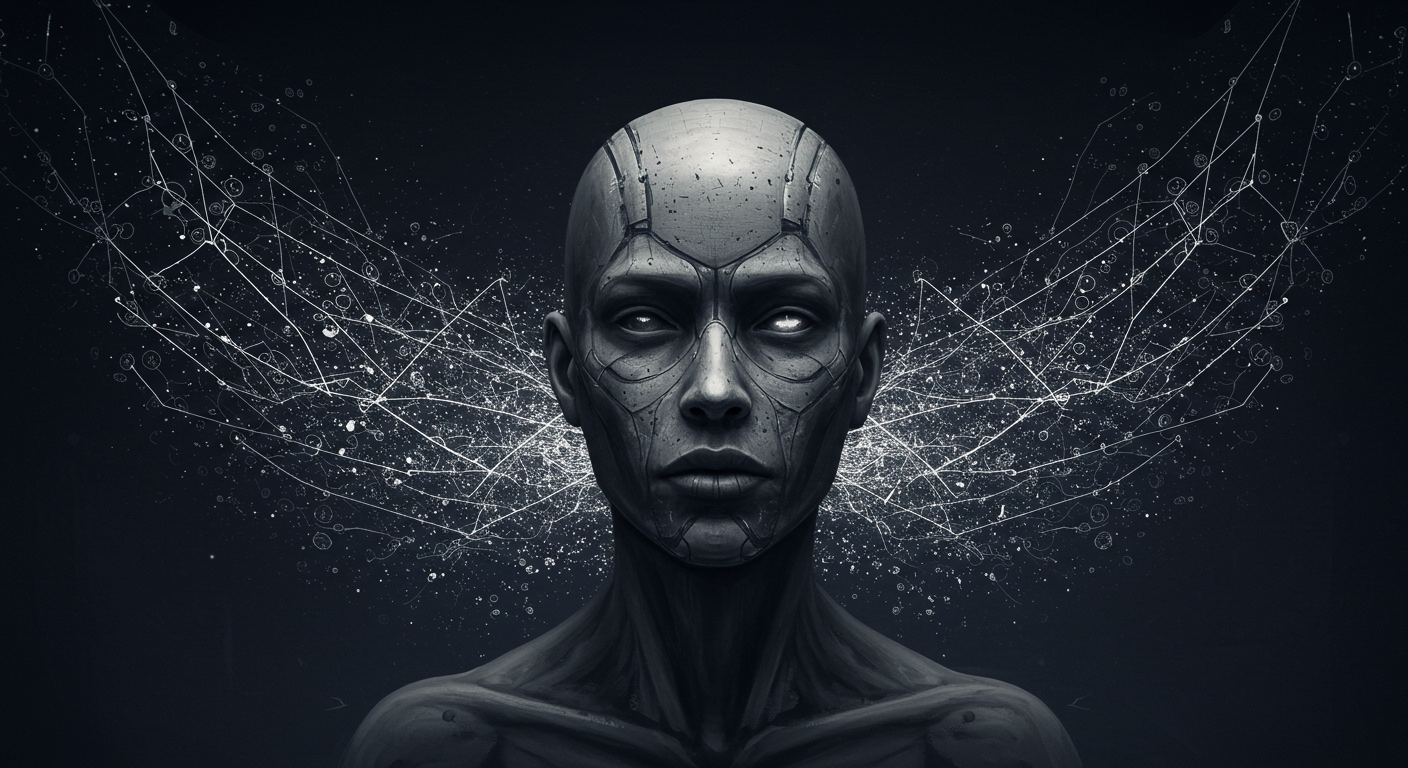
과거에는 사람만이 인간다운 감정과 사고, 창작을 할 수 있다고 믿었다. 그러나 지금 우리는 현실의 인간과 거의 구분할 수 없는 ‘디지털 휴먼(Digital Human)’과 함께 살아가는 시대를 맞이하고 있다. 디지털 휴먼은 인공지능과 3D 그래픽, 음성 합성, 감정 알고리즘을 결합하여 만들어진 가상의 인간으로, 단순한 캐릭터를 넘어 ‘사회적 존재’로 진화하고 있다.
디지털 휴먼은 단순히 화면 속의 그래픽이 아니다. 이들은 인간처럼 말하고, 웃고, 감정을 표현하며, 대화 상대의 말투와 감정에 맞추어 반응한다. 음성 합성 기술과 자연어 처리 기술의 발전 덕분에 사람과 거의 구분할 수 없는 대화를 할 수 있고, 표정과 몸짓까지 실제 사람처럼 섬세하게 표현한다. 이러한 특성 덕분에 디지털 휴먼은 이제 단순한 기술이 아닌 ‘인격적 존재’에 가까운 역할을 수행하고 있다.
기업들은 이미 이 기술을 활용하고 있다. 디지털 휴먼이 고객 상담을 대신하거나, 브랜드 홍보 모델이 되고, 온라인 쇼핑몰에서 상품을 추천하는 시대가 되었다. 방송국에서는 가상 아나운서가 뉴스를 전하고, 패션 브랜드는 가상의 모델을 활용해 신제품을 소개한다. 이처럼 디지털 휴먼은 산업의 경계를 허물고 인간의 역할을 일부 대체하고 있다.
엔터테인먼트 산업에서도 디지털 휴먼은 새로운 가능성을 열어주고 있다. 가수나 배우로 활동하는 가상의 인물이 등장하고 있으며, 실제 사람보다 더 빠르고 유연하게 활동할 수 있다. 전 세계 팬과 실시간으로 소통하며, 언어 장벽도 초월할 수 있어 글로벌 콘텐츠 시장에서 경쟁력을 갖춘다. 더 나아가 현실에서는 이미 사망한 인물을 디지털 기술로 재현해 공연이나 영화에 등장시키는 사례도 늘어나고 있다.
교육과 의료, 복지 분야에서도 디지털 휴먼의 역할은 커지고 있다. 학생의 학습 수준과 감정 상태를 파악해 맞춤형 수업을 제공하는 AI 교사, 치매 환자와 대화를 나누며 정서적 안정을 돕는 가상 동반자, 노인과 하루 일과를 함께하는 가상의 간병인까지 다양한 서비스가 등장하고 있다. 이는 단순한 편의성을 넘어, 인간의 삶을 정서적으로 풍요롭게 만드는 역할을 한다.
하지만 디지털 휴먼의 발전에는 중요한 과제도 존재한다. 인간과 거의 똑같이 행동하고 말하는 만큼, 정체성·윤리·법적 문제에 대한 논의가 필요하다. 가짜 뉴스나 범죄에 악용될 가능성을 막기 위한 기술적·법적 장치가 마련되어야 하며, 디지털 휴먼이 사람의 일자리를 대체할 경우 노동 시장 구조도 재설계해야 한다.
그럼에도 불구하고 디지털 휴먼은 피할 수 없는 흐름이다. 현실과 가상의 경계가 흐려지는 미래 사회에서, 디지털 휴먼은 인간과 함께 일하고, 소통하고, 창조하는 동반자가 될 것이다. 궁극적으로는 인간이 만든 또 하나의 ‘지능적 생명체’로서, 우리 사회의 구조와 문화를 근본적으로 변화시킬 잠재력을 지니고 있다.
다가올 미래에는 사람과 디지털 휴먼이 구분되지 않는 시대가 올지도 모른다. 우리는 실제 사람인지, 인공지능인지 구별할 수 없는 존재와 대화하고 협업하는 세상에서 살게 될 것이다. 그 변화는 인간 중심 사회에서 ‘인간+디지털 존재’ 중심 사회로의 전환이며, 새로운 인류 진화의 시작이 될 것이다.
면책 고지 (Disclaimer) 본 문서는 단순한 참고 자료로 제공되는 것으로, 어떠한 법적·재정적·전문적 책임도 발생하지 않습니다. 제시된 정보의 정확성, 완전성 및 최신성은 보장되지 않으며, 본 자료에 기초하여 행해진 모든 행위에 대한 책임은 전적으로 이용자 본인에게 있습니다. 보다 신뢰할 수 있는 정확한 정보를 원하실 경우, 반드시 관련 공식 사이트 및 전문 자료를 확인하시기 바랍니다.
English
In the past, we believed that only humans could feel emotions, think creatively, and express themselves. But now, we are entering an era where we coexist with “digital humans” — virtual beings that are almost indistinguishable from real people. Digital humans are not mere animated characters; they are sophisticated social entities built with artificial intelligence, 3D graphics, voice synthesis, and emotional algorithms.
Digital humans can speak, smile, express emotions, and respond naturally to tone and mood. Thanks to advances in voice synthesis and natural language processing, they can hold conversations nearly indistinguishable from those with real humans, and their facial expressions and gestures are incredibly lifelike. As a result, digital humans are evolving from tools into entities that resemble personalities.
Companies are already deploying this technology. Digital humans serve as customer service agents, brand ambassadors, and virtual shopping assistants. Broadcasting stations use virtual anchors, and fashion brands employ virtual models to showcase new products. In doing so, digital humans are breaking down industrial barriers and taking over roles traditionally held by humans.
The entertainment industry is experiencing a transformation as well. Virtual singers and actors are debuting, performing faster and more flexibly than their human counterparts. They can communicate with global audiences in real time and transcend language barriers. Additionally, digital recreations of deceased individuals are now being used in concerts and films, further blurring the line between reality and virtuality.
Education, healthcare, and social services are also embracing digital humans. AI tutors can tailor lessons based on students’ emotional and cognitive states. Virtual companions provide comfort and conversation for dementia patients, and virtual caregivers assist the elderly in daily routines. These applications enhance not just convenience but emotional well-being.
However, the rise of digital humans presents ethical and legal challenges. As they become more human-like, questions about identity, authenticity, and rights emerge. Legal frameworks must address potential misuse — such as fake news or criminal activities — and societies must adapt to potential disruptions in labor markets caused by automation.
Despite these challenges, digital humans are inevitable. As the boundary between reality and virtuality fades, they will work, communicate, and create alongside humans. Ultimately, they will become a new form of intelligent life — a creation of humanity that reshapes society and culture at their core.
In the near future, we may live in a world where it’s impossible to tell whether we’re interacting with a human or a digital being. This shift marks the evolution from a human-centered society to a “human + digital being” society — the beginning of a new chapter in human evolution.
Disclaimer This document is provided solely for informational and reference purposes, and does not create any legal, financial, or professional liability. No guarantee is made regarding the accuracy, completeness, or timeliness of the information provided, and any actions taken based on this document are the sole responsibility of the user. For more reliable and accurate information, please consult the relevant official websites and professional sources.
中文
过去我们一直认为,只有人类才能拥有情感、思考和创造力。但如今,我们正在步入一个与“数字人类”共存的时代——这些虚拟存在几乎与真实人类无异。数字人类不仅仅是动画角色,而是融合了人工智能、3D图形、语音合成和情感算法的“社会性实体”。
数字人类能够像人类一样说话、微笑、表达情感,并根据对话者的语气和情绪作出自然反应。得益于语音合成和自然语言处理技术的发展,它们能够进行与真实人类几乎无法区分的对话,并展现逼真的表情和动作。正因为如此,数字人类正在从“工具”进化为类似“人格”的存在。
企业已经在广泛应用这项技术。数字人类可以担任客服代表、品牌代言人和虚拟购物顾问。电视台使用虚拟主持人,时尚品牌用虚拟模特展示新品。数字人类正在打破行业界限,并开始取代人类的一部分工作。
娱乐产业也正在迎来变革。虚拟歌手和演员不断登场,比真人更高效、更灵活。它们可以与全球观众实时互动,跨越语言障碍。甚至已经有通过数字技术“复活”已故人物,用于演唱会和电影的案例。
在教育、医疗和社会服务领域,数字人类的作用也越来越大。AI教师可以根据学生的认知和情绪状态定制教学方案;虚拟陪伴者为老年痴呆患者提供对话和心理慰藉;虚拟护理员可以陪伴老人完成日常生活。这些功能不仅带来了便利,也丰富了人类的情感生活。
然而,数字人类的崛起也带来了伦理和法律挑战。随着它们越来越像人类,关于身份、权利和真实性的问题开始出现。必须建立法律框架来防止滥用,例如假新闻或犯罪行为;同时社会也需要为劳动力市场的结构性变化做好准备。
尽管存在这些挑战,数字人类的到来已不可避免。随着现实与虚拟的界限日益模糊,它们将与人类一起工作、交流和创造。最终,它们将成为人类创造的“新型智能生命体”,从根本上重塑社会和文化。
未来,我们可能生活在一个无法分辨“对方是人类还是数字存在”的世界。这将标志着社会从“以人为中心”向“人类+数字存在”转变,是人类进化的新篇章。
免责声明 本文件仅作为参考资料提供,不承担任何法律、财务或专业责任。 对所提供信息的准确性、完整性及时效性不作任何保证,基于本文件所采取的任何行为均由使用者自行承担全部责任。 如需获取更可靠和准确的信息,请务必查阅相关官方网站及专业资料。