한국어
불과 10년 전만 해도 자동차는 ‘사람이 직접 조작해야 하는 이동 수단’이었다. 그러나 지금 우리는 자동차가 스스로 판단하고, 스스로 움직이며, 스스로 사고를 피하는 시대의 문 앞에 서 있다. 자율주행(Autonomous Driving)은 단순한 기술 발전이 아니라 ‘이동의 패러다임’을 완전히 바꾸는 혁명이다. 이는 자동차 산업뿐 아니라 도시, 물류, 교통, 심지어 인간의 생활 방식까지 재편하고 있다.
자율주행차는 크게 5단계로 구분된다. 1단계는 운전자가 대부분을 조작하지만 일부 기능을 보조하는 수준이며, 2단계는 가속·감속·조향이 자동으로 이루어지는 조건부 자동화 단계다. 3단계부터는 차량이 상황을 판단하여 스스로 주행 결정을 내리기 시작하고, 4단계에서는 특정 구역 내에서 완전 자율주행이 가능해진다. 5단계는 운전자의 개입이 전혀 필요 없는 완전 자율주행 단계로, 사람이 운전대를 잡을 필요가 없다.
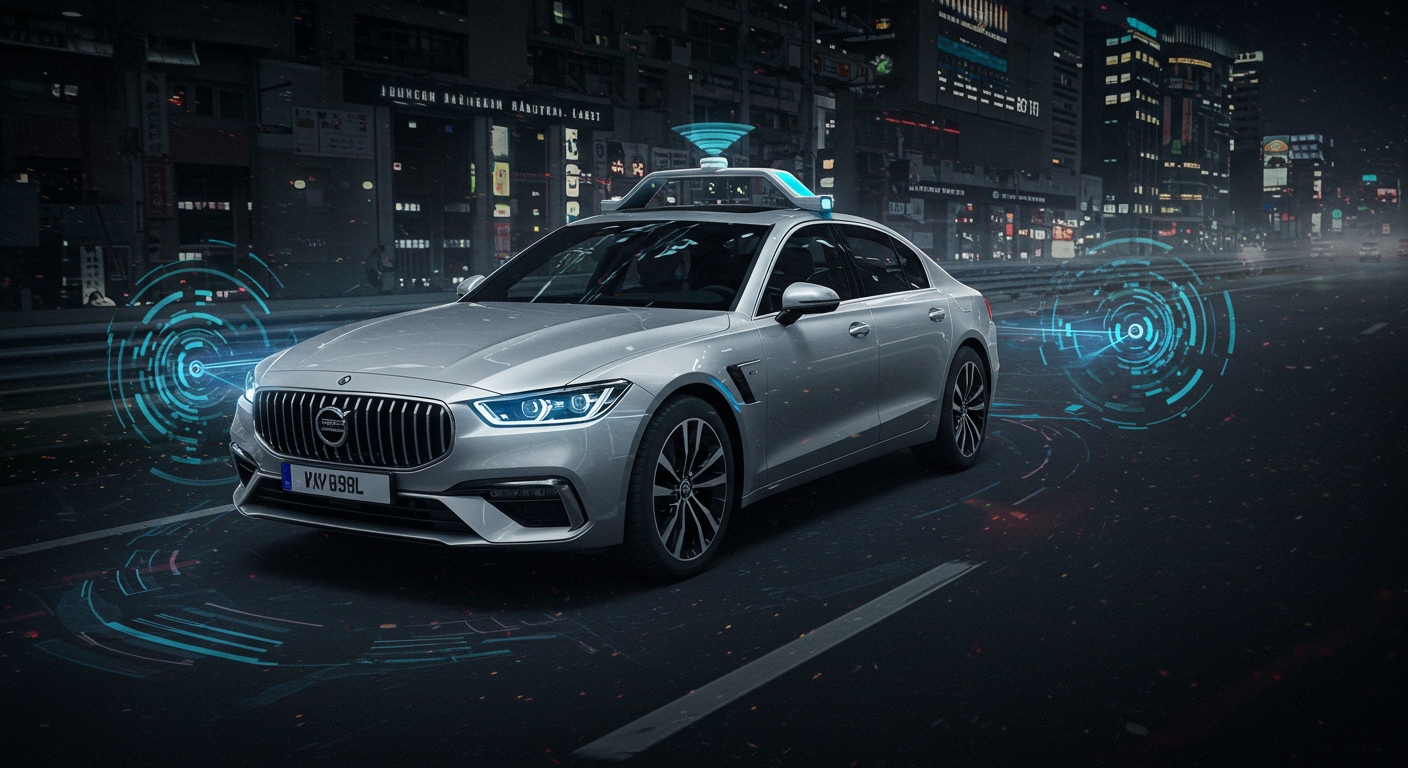
이 기술의 핵심은 인공지능(AI)과 센서, 그리고 초정밀 지도다. 자율주행차는 차량에 장착된 카메라, 라이다(LiDAR), 레이더, 초음파 센서 등을 통해 주변 환경을 실시간으로 인식한다. 동시에 AI가 교통 상황, 보행자, 장애물을 분석하여 최적의 주행 경로를 판단한다. 이를 통해 사고를 줄이고 연비를 높이며, 도로 효율성을 극대화할 수 있다.
자율주행의 가장 큰 기대효과는 안전성이다. 전 세계 교통사고의 약 90%는 인간의 실수에서 비롯된다. 자율주행차는 피로, 음주, 부주의 같은 인간적 요인을 제거하여 사고를 획기적으로 줄일 수 있다. 또한 노약자나 장애인도 운전의 부담 없이 자유롭게 이동할 수 있어 이동권이 크게 확대된다.
물류 산업 역시 큰 변화를 맞고 있다. 무인 트럭과 드론 배송이 상용화되면 24시간 운영이 가능해지고, 운송 비용이 대폭 절감된다. 도심 교통도 자율주행 택시와 셔틀버스를 통해 효율적으로 관리할 수 있어 교통 체증이 줄고 에너지 소비도 감소한다.
도시 설계에도 영향을 준다. 차량 소유 개념이 사라지고 ‘모빌리티 서비스’가 확산되면서 주차장과 도로 설계가 달라지고, 사람 중심의 도시 공간이 늘어나게 된다. 자동차가 스스로 운행하고 관리되는 도시에서는 교통 신호체계, 보험 구조, 법규까지 완전히 재정립될 것이다.
그러나 해결해야 할 과제도 있다. 사고 발생 시 책임 소재 문제, 해킹 위험, 개인정보 보호, 윤리적 판단 기준 같은 복잡한 문제들이 남아 있다. 또한 자율주행 인프라를 구축하기 위한 도로·통신망·법제도 정비도 필수적이다.
그럼에도 불구하고 자율주행 기술은 피할 수 없는 미래다. 인류는 마차에서 자동차로, 다시 ‘스스로 달리는 자동차’로 진화하고 있다. 가까운 미래에는 운전이라는 개념 자체가 사라지고, 이동은 더 이상 ‘조작’이 아닌 ‘경험’이 될 것이다. 자율주행은 단순한 기술 혁신이 아니라 인간의 삶을 다시 정의하는 거대한 변화의 시작이다.
본 블로그 글은 단순한 참고용이며 어떠한 법적, 재정적 또는 전문적인 책임도 지지 않습니다. 제시된 정확성, 무결성 및 최신 정보는 보장되지 않으며 이러한 데이터를 기반으로 한 모든 조치는 전적으로 귀하에게 책임이 있습니다. 더 신뢰할 수 있고 정확한 정보를 얻기 위해 관련 공식 웹사이트와 전문 자료를 반드시 확인하십시오.
English
Just a decade ago, cars were vehicles that required constant human control. Today, we stand at the threshold of an era where cars can make decisions, drive themselves, and avoid accidents autonomously. Autonomous driving is not merely a technological advancement — it is a revolution that redefines the entire concept of mobility. It is reshaping not only the automotive industry but also cities, logistics, transportation systems, and even the way we live.
Autonomous vehicles are classified into five levels. Level 1 involves driver assistance with limited automation. Level 2 automates acceleration, braking, and steering under certain conditions. At Level 3, the vehicle starts making driving decisions, while Level 4 allows full self-driving within specific areas. Level 5 represents full automation — the driver no longer needs to control the vehicle at all.
The core of this technology lies in artificial intelligence (AI), sensors, and high-precision maps. Cameras, LiDAR, radar, and ultrasonic sensors continuously scan the surroundings, while AI analyzes traffic, pedestrians, and obstacles to determine the optimal driving path. This minimizes accidents, improves fuel efficiency, and maximizes road capacity.
Safety is the most significant benefit. Human error accounts for about 90% of traffic accidents worldwide. Autonomous vehicles eliminate fatigue, intoxication, and distraction, drastically reducing accidents. They also expand mobility for the elderly and disabled, enabling safe and independent travel.
The logistics sector is also undergoing transformation. With driverless trucks and drone deliveries, 24-hour operations become possible, and transportation costs drop significantly. In cities, self-driving taxis and shuttles can streamline traffic, reduce congestion, and lower energy consumption.
Urban design will change as well. As car ownership gives way to “mobility as a service,” parking lots and roads will be restructured, creating more human-centered spaces. In fully autonomous cities, traffic systems, insurance models, and legal frameworks will all need to be redefined.
Challenges remain. Questions about liability in accidents, cybersecurity risks, data privacy, and ethical decision-making must be addressed. Infrastructure — including roads, communication networks, and legal systems — must also evolve.
Despite these obstacles, autonomous driving is an inevitable future. Humanity has evolved from horse-drawn carriages to cars, and now to self-driving vehicles. In the near future, the concept of “driving” will disappear altogether, and mobility will no longer mean “control” but “experience.” Autonomous driving is not just a technological innovation — it is the beginning of a profound transformation of human life.
This blog post is for your information only and does not take any legal, financial or professional responsibility. The accuracy, integrity and up-to-date information presented is not guaranteed, and you are fully responsible for any action based on this data. Be sure to check the relevant official website and professional materials for more reliable and accurate information.
中文
就在十年前,汽车仍然是需要人类不断操控的交通工具。然而今天,我们正站在一个新时代的门口——汽车能够自主判断、自主行驶并避免事故。自动驾驶不仅是一项技术进步,更是一场彻底改变“出行概念”的革命。它正在重塑汽车产业、城市结构、物流体系、交通方式,甚至人类的生活方式。
自动驾驶车辆分为五个级别。一级是驾驶辅助,自动化程度有限;二级可以自动控制加速、制动和转向;三级开始由车辆自主做出驾驶决策;四级可以在特定区域实现完全自动驾驶;五级则完全不需要驾驶员介入。
这项技术的核心在于人工智能(AI)、传感器和高精度地图。摄像头、激光雷达、雷达和超声波传感器实时感知周围环境,AI分析交通状况、行人和障碍物,判断最优行驶路径。这大大降低了事故风险,提高了燃油效率,并最大化道路利用率。
安全性是最大优势。全球约90%的交通事故由人为错误导致。自动驾驶车辆消除了疲劳、酒驾和注意力不集中等因素,大幅减少事故。同时,它还能让老年人和残障人士安全出行,扩大他们的出行自由。
物流行业也正在发生巨大变革。随着无人驾驶卡车和无人机配送的普及,运输可实现24小时运作,成本显著降低。在城市中,无人驾驶出租车和接驳车可缓解交通拥堵,降低能源消耗。
城市设计也将随之改变。随着“出行即服务”取代传统的车辆拥有概念,停车场和道路将被重新规划,更多以人为中心的空间将被创造出来。在完全自动驾驶的城市中,交通系统、保险模式和法律框架都将被重新定义。
然而,仍有许多问题亟待解决。事故责任认定、黑客攻击风险、数据隐私保护以及伦理决策标准等复杂问题需要应对。同时,道路、通信网络和法律制度等基础设施也必须升级。
尽管如此,自动驾驶技术的发展已不可逆转。人类的交通工具已从马车演变为汽车,如今正迈向“自动驾驶”的新时代。在不久的将来,“驾驶”这一概念可能将彻底消失,出行将不再意味着“操作”,而是“体验”。自动驾驶不仅是一项技术创新,更是人类生活重新定义的开端。
本博客文章仅供简单参考,不承担任何法律、财政或专业责任。 所提出的准确性、完整性和最新信息得不到保证,基于这些资料采取的所有措施完全由你负责。 请务必查看相关官方网站和专业资料,以获得更可靠、准确的信息。