한국어
우리가 알고 있는 이동의 개념이 근본적으로 바뀌고 있다. 자동차, 비행기, 기차처럼 전통적인 교통수단이 지배하던 시대는 끝나가고 있으며, 미래 모빌리티는 ‘공간의 제약’을 뛰어넘는 새로운 차원으로 진화하고 있다. 이 혁명의 핵심에는 자율주행, 전기화, 도심항공교통(UAM), 하이퍼루프, 모듈형 이동체 등 첨단 기술이 있다. 미래의 이동 수단은 단순히 사람과 물건을 옮기는 수단이 아니라, 도시 구조와 산업, 삶의 방식까지 완전히 바꾸는 핵심 동력이 될 것이다.
가장 눈에 띄는 변화는 자율주행이다. 이미 자동차는 운전자의 조작 없이 스스로 도로를 달리고 있다. 수많은 센서와 인공지능이 결합된 자율주행차는 교통사고를 줄이고, 에너지 효율을 높이며, 도심 혼잡을 해결하는 데 기여한다. 나아가 차량 공유 서비스와 결합하면 개인이 차량을 소유할 필요 없이 필요할 때 호출해 이용하는 ‘모빌리티 서비스(MaaS)’가 일반화된다. 이는 자동차 산업의 비즈니스 모델을 완전히 바꿀 것이다.
전기화도 빠르게 진행되고 있다. 내연기관차에서 전기차로의 전환은 단순한 연료 변화가 아니라, 에너지 인프라 전체를 재편하는 과정이다. 태양광, 풍력 같은 재생에너지와 연계된 충전 네트워크는 탄소 배출을 획기적으로 줄이고, 도시의 에너지 구조를 친환경적으로 바꿔간다. 여기에 배터리 효율 개선과 무선 충전 기술까지 더해지면, 전기차는 지금보다 훨씬 효율적이고 지속 가능한 이동 수단이 된다.
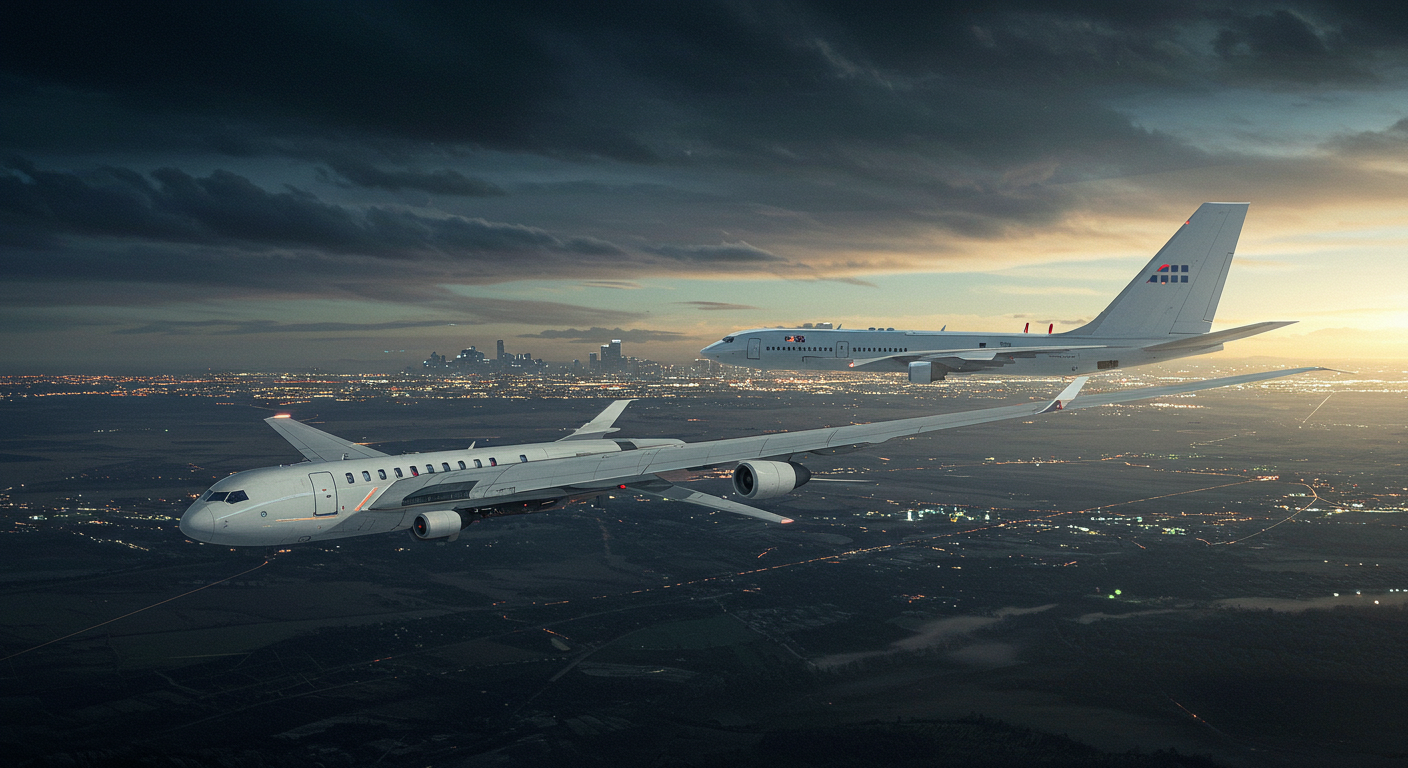
또 하나의 혁신은 도심항공교통(UAM, Urban Air Mobility)이다. 드론 기술과 전기 추진 시스템이 발전하면서, 하늘길이 새로운 교통망으로 열리고 있다. 하늘을 나는 택시, 개인용 비행기, 소형 화물 드론이 현실화되면, 출퇴근 시간이 몇 분으로 단축되고, 도심 교통체증 문제는 크게 완화될 것이다. 도시 위에 ‘하늘 고속도로’가 생기는 셈이다.
하이퍼루프도 미래 교통의 중요한 축이다. 진공 튜브 안에서 시속 1000km 이상으로 달리는 초고속 캡슐 열차는 국가 간 이동 시간을 획기적으로 단축한다. 서울에서 부산까지 15분, 파리에서 베를린까지 1시간 이내에 도착하는 시대가 올지도 모른다. 물류 산업 역시 이러한 초고속 운송망을 통해 완전히 새로운 구조로 재편될 것이다.
이동 기술의 발전은 산업 구조 자체를 바꾼다. 자동차 제조업체는 차량을 만드는 기업에서 ‘이동 서비스 기업’으로 변모하고 있고, 항공사와 물류 기업은 UAM과 드론 기반 배송을 통해 경쟁 구도를 새롭게 그리고 있다. 도시 계획 역시 교통 중심에서 데이터·에너지·공간 효율 중심으로 재설계되고 있다.
그러나 해결해야 할 과제도 많다. 자율주행의 법적 책임, 항공 이동의 안전성, 개인정보 보호, 교통 인프라 확충, 기술 표준화 등은 아직 해결되지 않은 문제다. 또한 초기 구축 비용이 높고, 기존 교통 시스템과의 조화도 필요하다.
그럼에도 불구하고 미래 모빌리티는 거스를 수 없는 흐름이다. 과거 자동차가 마차를 대체하고, 항공기가 대륙을 연결했듯이, 새로운 이동 수단은 우리 삶의 시간과 공간을 다시 정의할 것이다. 이동이 단순한 ‘이동’이 아니라 경험이 되고, 서비스가 되고, 새로운 가치 창출의 무대가 되는 시대가 다가오고 있다.
미래의 도시에서는 땅 위의 도로뿐 아니라 하늘길과 지하 고속관이 함께 연결된다. 우리는 클릭 한 번으로 공중 택시를 불러 출근하고, 초고속 캡슐을 타고 대륙을 넘나드는 시대를 맞이할 것이다. 그것은 단순한 교통의 진화가 아니라, 인간 삶의 방식 자체를 다시 쓰는 거대한 전환이다.
면책 고지 (Disclaimer) 본 문서는 단순한 참고 자료로 제공되는 것으로, 어떠한 법적·재정적·전문적 책임도 발생하지 않습니다. 제시된 정보의 정확성, 완전성 및 최신성은 보장되지 않으며, 본 자료에 기초하여 행해진 모든 행위에 대한 책임은 전적으로 이용자 본인에게 있습니다. 보다 신뢰할 수 있는 정확한 정보를 원하실 경우, 반드시 관련 공식 사이트 및 전문 자료를 확인하시기 바랍니다.
English
Our concept of transportation is being completely redefined. The era of traditional vehicles — cars, planes, and trains — is giving way to a new paradigm where mobility transcends physical boundaries. At the heart of this revolution are technologies like autonomous driving, electrification, urban air mobility (UAM), hyperloop systems, and modular transport platforms. Future mobility will not merely move people and goods; it will transform cities, industries, and the way we live.
The most visible shift is autonomous driving. Cars can now navigate without human intervention, using advanced sensors and AI. These vehicles reduce traffic accidents, improve energy efficiency, and alleviate urban congestion. Combined with shared mobility services, they eliminate the need for individual car ownership. This shift toward “Mobility as a Service” (MaaS) will fundamentally change the automotive business model.
Electrification is another key trend. The transition from internal combustion engines to electric vehicles is more than an energy shift — it is a complete reconfiguration of infrastructure. Charging networks powered by renewable energy drastically reduce carbon emissions, and wireless charging and battery innovations make electric vehicles more efficient and sustainable.
Urban air mobility (UAM) represents a dramatic leap forward. Advances in drone technology and electric propulsion are opening new pathways in the sky. Air taxis, personal aircraft, and cargo drones will slash commute times and ease congestion, creating “sky highways” above cities.
Hyperloop technology is another transformative element. High-speed capsules traveling through vacuum tubes at over 1,000 km/h could reduce intercity travel times from hours to minutes. Seoul to Busan could take 15 minutes, and Paris to Berlin under an hour. This will also revolutionize global logistics networks.
These innovations are reshaping entire industries. Automakers are transforming into mobility service providers, while airlines and logistics companies are pivoting toward drone-based delivery and aerial transport. Urban planning is being reimagined around data, energy efficiency, and spatial optimization.
However, major challenges remain. Legal responsibility in autonomous driving, safety in aerial mobility, data privacy, infrastructure expansion, and technology standardization must all be addressed. High initial costs and integration with existing systems are also significant hurdles.
Despite these challenges, the mobility revolution is inevitable. Just as cars replaced horse-drawn carriages and airplanes connected continents, new transportation modes will redefine our experience of time and space. Mobility will evolve from a means of travel into an experience, a service, and a platform for value creation.
In the cities of the future, roads, skyways, and underground hyperloops will be interconnected. We will summon air taxis with a single click and travel across continents in minutes. This is not merely the evolution of transportation — it is a complete reinvention of how humanity lives, moves, and connects.
Disclaimer This document is provided solely for informational and reference purposes, and does not create any legal, financial, or professional liability. No guarantee is made regarding the accuracy, completeness, or timeliness of the information provided, and any actions taken based on this document are the sole responsibility of the user. For more reliable and accurate information, please consult the relevant official websites and professional sources.
中文
我们对“出行”的理解正在被彻底重塑。传统的交通工具——汽车、飞机、火车等正在逐渐退场,而未来出行正在向“突破空间限制”的全新维度演进。这场革命的核心是自动驾驶、电动化、城市空中出行(UAM)、超级高铁和模块化交通系统等技术。未来的出行不仅仅是运输人和货物,它将彻底改变城市结构、产业格局和生活方式。
最引人注目的变化是自动驾驶。如今,汽车无需人工操控即可自主行驶。先进的传感器和人工智能能够降低交通事故、提高能源效率并缓解城市拥堵。与共享出行服务结合后,个人不再需要拥有汽车,而是随时调用“出行即服务”(MaaS),这将彻底改变汽车产业的商业模式。
电动化的进程也在加快。从内燃机到电动汽车的转变不仅是燃料的更替,更是能源基础设施的全面重构。基于可再生能源的充电网络大幅减少碳排放,配合无线充电和电池技术进步,电动车将更加高效和可持续。
城市空中出行(UAM)是另一项重大创新。随着无人机和电动推进技术的发展,天空将成为新的交通走廊。空中出租车、个人飞行器和货运无人机将大幅缩短通勤时间,并缓解交通压力,未来城市的“空中高速公路”即将出现。
超级高铁(Hyperloop)同样将成为未来交通的关键组成部分。在真空管道中以每小时1000公里以上速度行驶的超高速舱列车将极大缩短城市间的出行时间。首尔到釜山可能只需15分钟,巴黎到柏林可能不到一小时。物流行业也将因此迎来结构性变革。
出行技术的进步正在重塑整个产业链。汽车制造商正从“制造商”向“出行服务提供商”转型,航空公司和物流企业也在通过UAM和无人机配送重新定义竞争格局。城市规划则从“交通导向”转向“数据、能源和空间效率导向”。
然而,挑战依然存在。自动驾驶的法律责任、空中出行的安全性、隐私保护、基础设施建设和技术标准化等问题尚待解决。高昂的初始成本和与现有交通系统的兼容性也需要逐步克服。
尽管如此,未来出行革命不可逆转。正如汽车取代马车、飞机连接大陆一样,新一代交通工具将重新定义我们的时间和空间体验。出行将从一种“交通手段”升级为一种“体验”“服务”和“价值平台”。
在未来的城市中,地面道路、天空航道和地下超级高铁将无缝连接。人们只需轻点屏幕,就能叫来空中出租车,几分钟跨越洲际。这不仅是交通的演进,更是人类生活方式的根本性变革。
免责声明 本文件仅作为参考资料提供,不承担任何法律、财务或专业责任。 对所提供信息的准确性、完整性及时效性不作任何保证,基于本文件所采取的任何行为均由使用者自行承担全部责任。 如需获取更可靠和准确的信息,请务必查阅相关官方网站及专业资料。