한국어
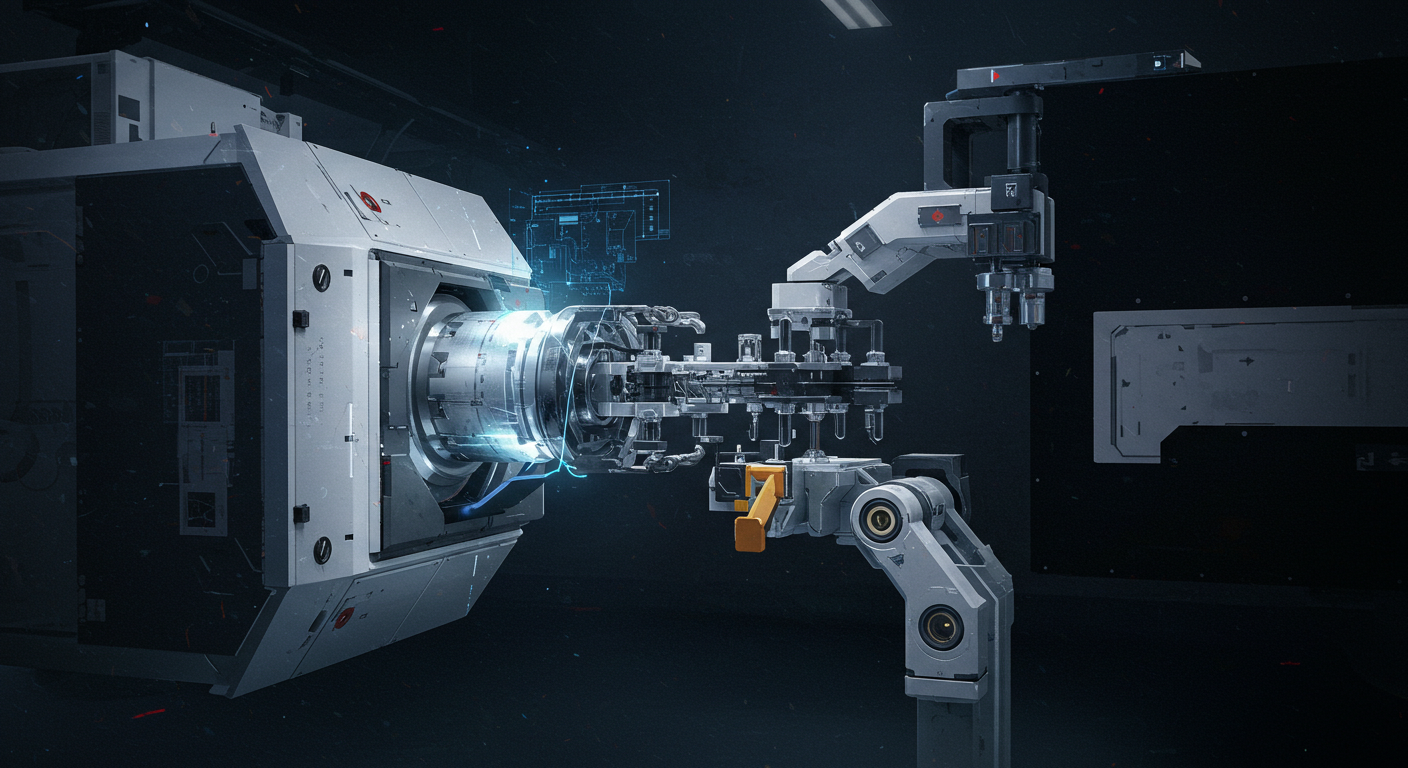
산업혁명 이후 공장은 인간의 노동력을 중심으로 발전해 왔다. 하지만 이제 생산 현장의 주인공은 사람이 아니라 데이터와 알고리즘이다. ‘스마트 팩토리(Smart Factory)’라 불리는 새로운 형태의 공장은 단순히 자동화 설비를 도입한 수준을 넘어, 스스로 판단하고 움직이며 생산 전체를 스스로 운영한다. 이는 제조업을 넘어 산업 구조 자체를 완전히 재편하는 거대한 변화다.
스마트 팩토리는 사물인터넷(IoT), 인공지능(AI), 빅데이터, 클라우드, 로봇, 디지털 트윈 등 첨단 기술이 하나로 결합된 형태다. 각 생산 장비에는 센서가 달려 있어 온도, 압력, 진동, 품질 등의 데이터를 실시간으로 수집한다. 이 데이터는 AI가 분석해 어떤 기계가 언제 고장 날지, 어떤 공정이 병목을 일으킬지 미리 예측한다. 이렇게 사전에 문제를 해결하면 불필요한 정지 시간을 줄이고 생산성을 극대화할 수 있다.
스마트 팩토리의 가장 큰 특징은 ‘자율성’이다. 예전에는 설비를 사람이 조작하고 생산 계획도 사람이 세워야 했지만, 지금은 공장 스스로 생산 속도를 조절하고, 부품 재고를 주문하며, 품질 이상을 감지해 자동으로 대응한다. 심지어 고객의 주문 데이터를 실시간으로 받아 제품 설계부터 생산까지 자동으로 최적화하는 것도 가능하다.
예를 들어, 자동차 공장을 생각해 보자. 과거에는 생산 라인의 속도나 순서를 바꾸려면 사람이 직접 명령을 내려야 했지만, 스마트 팩토리에서는 AI가 시장 수요를 분석하고 생산 계획을 스스로 수정한다. 재고가 부족하면 시스템이 자동으로 부품을 주문하고, 로봇이 조립을 진행하며, 품질 검사도 자동으로 수행된다. 사람은 전체 과정을 모니터링하고 전략적 결정을 내리는 역할만 맡게 된다.
이러한 변화는 단순한 효율성 향상을 넘어 기업 경쟁력 자체를 바꾼다. 생산성이 높아질 뿐만 아니라 불량률이 줄고, 에너지 사용도 최적화된다. 또한 전 세계 어느 공장에서나 동일한 품질을 유지할 수 있기 때문에 글로벌 공급망 관리도 훨씬 수월해진다. 공장의 데이터를 클라우드로 연결하면 다른 나라의 공장과 실시간으로 협업하거나 생산 계획을 공유하는 것도 가능하다.
스마트 팩토리는 인력 구조에도 큰 변화를 가져온다. 단순 조립이나 반복적인 생산 업무는 기계가 맡고, 사람은 시스템 설계, 데이터 분석, 품질 전략 수립과 같은 고부가가치 업무에 집중한다. 이는 일자리 감소라는 도전을 낳기도 하지만, 동시에 새로운 직업군과 산업이 등장하는 기회이기도 하다. 예를 들어 스마트 팩토리 운영 엔지니어, 데이터 분석 전문가, 로봇 유지보수 전문가 등의 수요가 빠르게 늘어나고 있다.
그러나 해결해야 할 과제도 있다. 초기 구축 비용이 높고, 기존 공정을 디지털화하는 데 시간이 걸리며, 사이버 보안 위험도 커진다. 특히 공장 전체가 네트워크로 연결되기 때문에 한 번의 해킹이 전체 시스템을 마비시킬 수 있다. 따라서 기술 발전과 함께 보안과 표준화, 인력 재교육이 병행되어야 한다.
그럼에도 불구하고 스마트 팩토리는 선택이 아닌 필수다. 이미 독일, 일본, 미국, 한국 등 주요 제조국은 스마트 팩토리를 국가 전략으로 추진하고 있으며, 글로벌 시장 규모는 2030년 6000억 달러 이상으로 성장할 것으로 예상된다. 머지않아 공장은 단순히 물건을 만드는 공간이 아니라, 데이터와 지능이 결합된 ‘살아있는 생명체’처럼 스스로 진화하고 스스로 판단하는 존재가 될 것이다.
스마트 팩토리는 결국 제조업의 패러다임을 다시 쓴다. 과거의 공장이 인간의 힘으로 돌아갔다면, 미래의 공장은 데이터와 알고리즘의 지능으로 움직인다. 이 변화에 빨리 적응하는 기업이 미래 산업의 주도권을 갖게 될 것이다.
면책 고지 (Disclaimer) 본 문서는 단순한 참고 자료로 제공되는 것으로, 어떠한 법적·재정적·전문적 책임도 발생하지 않습니다. 제시된 정보의 정확성, 완전성 및 최신성은 보장되지 않으며, 본 자료에 기초하여 행해진 모든 행위에 대한 책임은 전적으로 이용자 본인에게 있습니다. 보다 신뢰할 수 있는 정확한 정보를 원하실 경우, 반드시 관련 공식 사이트 및 전문 자료를 확인하시기 바랍니다.
English
Since the Industrial Revolution, factories have been powered by human labor. But in the new era, the driving force of manufacturing is no longer people — it is data and algorithms. Known as “smart factories,” these next-generation production systems go beyond simple automation. They think, adapt, and operate autonomously, fundamentally reshaping not just manufacturing but the entire industrial structure.
Smart factories integrate advanced technologies such as the Internet of Things (IoT), artificial intelligence (AI), big data, cloud computing, robotics, and digital twins. Sensors embedded in machines collect real-time data on temperature, pressure, vibration, and quality. AI analyzes this data to predict equipment failures or identify potential bottlenecks before they occur, dramatically improving productivity and reducing downtime.
The defining feature of smart factories is “autonomy.” In the past, humans controlled machines and planned production. Now, factories can adjust production speed, order parts, detect quality issues, and respond automatically — all without human intervention. They can even receive customer orders in real time and optimize product design and production accordingly.
Consider a modern automobile plant. Previously, workers had to manually change production schedules or adjust assembly lines. In a smart factory, AI analyzes market demand, modifies production plans, orders components automatically, and robots handle assembly and quality inspection. Humans monitor the system and make strategic decisions rather than performing repetitive tasks.
This shift does more than improve efficiency — it transforms corporate competitiveness. It increases productivity, reduces defect rates, optimizes energy consumption, and ensures consistent quality across global production sites. Cloud-based data sharing allows factories in different countries to collaborate in real time and synchronize their operations.
Smart factories are also reshaping the workforce. Machines now handle repetitive and manual tasks, while humans focus on high-value work such as system design, data analysis, and quality strategy. While this raises concerns about job displacement, it also creates new roles — including smart factory engineers, data analysts, and robotics maintenance specialists — that are rapidly growing in demand.
However, there are challenges. Implementation costs are high, digitizing existing processes takes time, and cybersecurity risks increase as factories become interconnected. A single cyberattack could potentially shut down an entire facility. To address this, companies must combine technological advancement with enhanced security, standardization, and workforce retraining.
Despite these obstacles, smart factories are no longer optional — they are essential. Countries like Germany, Japan, the United States, and South Korea have made smart manufacturing a national priority, and the global market is expected to exceed 600 billion dollars by 2030. Soon, factories will not just produce goods; they will evolve and make decisions like living organisms powered by intelligence.
Ultimately, smart factories are rewriting the manufacturing paradigm. Past factories relied on human labor, but future factories will run on data and algorithms. Those who adapt quickly to this shift will lead the next industrial era.
Disclaimer This document is provided solely for informational and reference purposes, and does not create any legal, financial, or professional liability. No guarantee is made regarding the accuracy, completeness, or timeliness of the information provided, and any actions taken based on this document are the sole responsibility of the user. For more reliable and accurate information, please consult the relevant official websites and professional sources.
中文
自工业革命以来,工厂一直依靠人类劳动力运转。然而在新时代,推动制造业发展的不再是人,而是数据和算法。被称为“智能工厂”的新一代生产系统,已经超越了传统自动化的概念。它们能够自主思考、自动调整并自我运行,从根本上重塑制造业乃至整个产业结构。
智能工厂融合了物联网、人工智能、大数据、云计算、机器人和数字孪生等前沿技术。安装在设备上的传感器可以实时收集温度、压力、振动和质量等数据。人工智能对这些数据进行分析,预测设备故障或识别潜在瓶颈,从而大幅提高生产效率并减少停机时间。
智能工厂最大的特点是“自主性”。过去,机器的操作和生产计划都需要人工控制,而现在,工厂可以自动调节生产速度、订购零件、检测质量问题并自动响应。它们甚至可以实时接收客户订单,并自动优化产品设计和生产流程。
以汽车工厂为例。过去更改生产线速度或顺序需要人工干预,而在智能工厂中,人工智能会分析市场需求,自主调整生产计划,自动订购零部件,机器人负责装配和质量检测。人类的角色将从操作工转变为系统监控者和战略决策者。
这一转变不仅仅是效率的提升,还从根本上改变了企业的竞争力。它提高了生产率,降低了不良率,优化了能源使用,并确保全球各地的生产质量一致。通过云端数据共享,不同国家的工厂可以实现实时协作和生产计划同步。
智能工厂也重塑了劳动力结构。机器承担了重复和低附加值的工作,而人类则专注于系统设计、数据分析和质量策略等高附加值任务。虽然这引发了就业减少的担忧,但同时也带来了新的职业机会,例如智能工厂工程师、数据分析师和机器人维护专家的需求正快速增长。
当然,仍有一些挑战。建设成本高昂,数字化现有流程需要时间,随着工厂互联,网络安全风险也随之增加。一旦遭遇黑客攻击,整个系统都有可能瘫痪。因此,企业必须在技术发展同时加强安全防护、推进标准化并进行员工再培训。
尽管如此,智能工厂已成为必然趋势。德国、日本、美国和韩国等主要制造业国家已将智能制造列为国家战略,全球市场规模预计到2030年将超过6000亿美元。未来的工厂将不再只是生产物品的场所,而是像“有生命的存在”一样,不断进化并自主决策。
最终,智能工厂将彻底改写制造业的格局。过去的工厂依赖人力,而未来的工厂将依靠数据和算法运行。能够迅速适应这一转变的企业,将成为下一轮产业革命的领导者。
免责声明 本文件仅作为参考资料提供,不承担任何法律、财务或专业责任。 对所提供信息的准确性、完整性及时效性不作任何保证,基于本文件所采取的任何行为均由使用者自行承担全部责任。 如需获取更可靠和准确的信息,请务必查阅相关官方网站及专业资料。