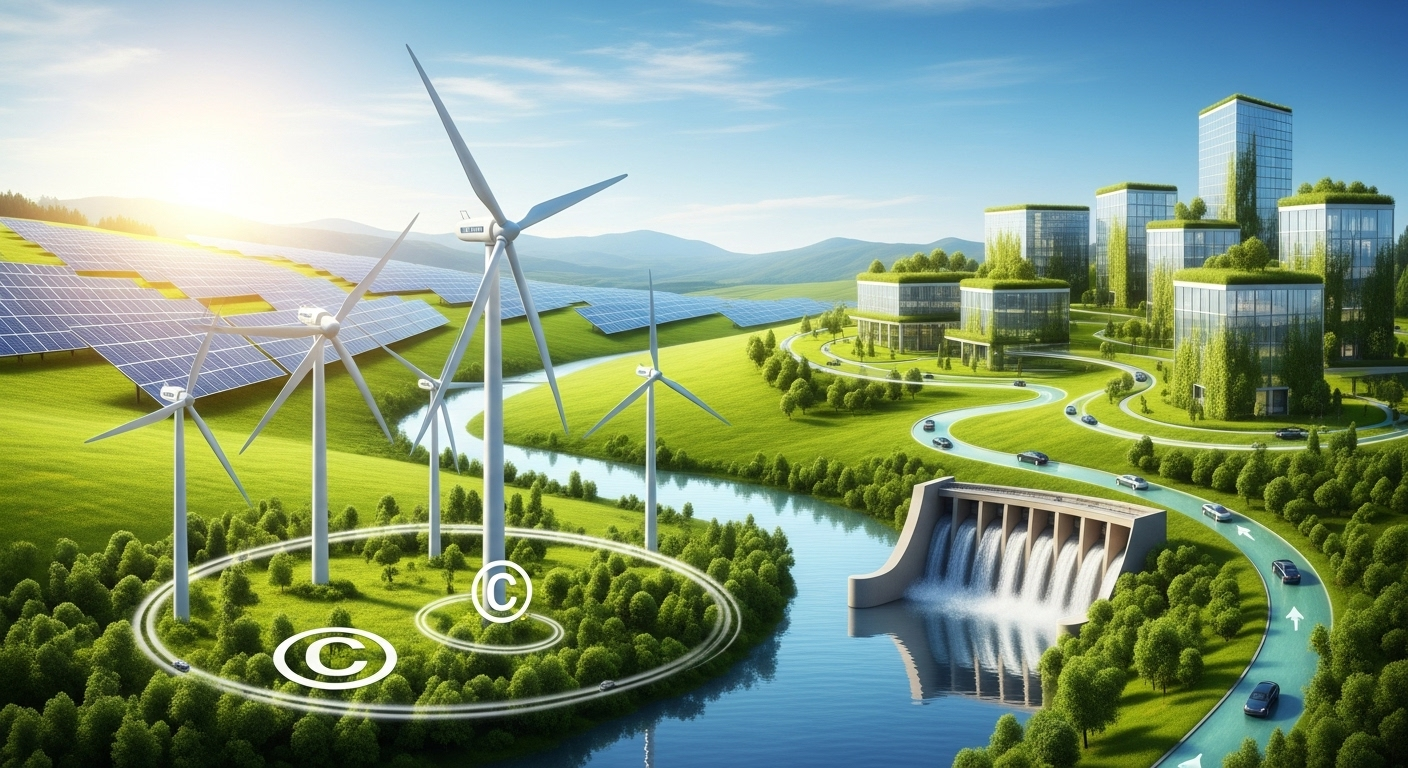
기후 변화와 환경 파괴가 심각한 문제로 대두되면서, 전 세계는 화석 연료 중심의 경제 구조에서 벗어나 재생 에너지 기반의 녹색 경제로 전환하고 있습니다. 이러한 변화는 단순히 환경 보호를 넘어 새로운 산업과 일자리를 창출하며, 지속 가능한 경제 성장의 기반을 마련하고 있습니다.
다양한 재생 에너지원의 발전
태양광, 풍력, 수력, 지열, 바이오매스 등 다양한 재생 에너지 기술이 빠르게 발전하고 있습니다. 특히 태양광 패널과 풍력 터빈의 효율성이 지속적으로 향상되면서 발전 단가가 크게 낮아져 경제성을 확보하고 있습니다. 이제 많은 지역에서 재생 에너지는 화석 연료보다 저렴한 에너지원이 되었으며, 기술 혁신은 계속해서 비용을 더욱 낮추고 있습니다.
에너지 저장 기술의 혁신
재생 에너지의 가장 큰 과제였던 간헐성 문제가 에너지 저장 기술의 발전으로 해결되고 있습니다. 리튬이온 배터리, 수소 저장, 양수 발전 등 다양한 저장 방식이 개발되어 태양이 없는 밤이나 바람이 불지 않을 때도 안정적인 전력 공급이 가능해졌습니다. 대용량 에너지 저장 시스템은 전력망의 안정성을 높이고 재생 에너지의 활용도를 극대화합니다.
녹색 일자리와 새로운 산업 생태계
재생 에너지 산업의 성장은 수많은 새로운 일자리를 창출하고 있습니다. 태양광 패널 설치, 풍력 발전소 유지보수, 에너지 효율 컨설팅, 친환경 건축 설계 등 다양한 분야에서 전문 인력 수요가 증가하고 있습니다. 전통적인 에너지 산업에 종사하던 근로자들도 재교육을 통해 녹색 산업으로 전환할 수 있는 기회를 얻고 있습니다.
기업의 ESG 경영과 책임 있는 투자
기업들은 환경, 사회, 지배구조를 고려한 ESG 경영을 통해 장기적인 가치를 창출하고 있습니다. 탄소 배출 감축 목표 설정, 재생 에너지 사용 확대, 친환경 제품 개발 등이 기업 경쟁력의 핵심 요소가 되고 있습니다. 투자자들도 재무적 수익뿐만 아니라 환경적, 사회적 영향을 고려한 책임 있는 투자를 선호하고 있습니다.
순환 경제와 자원 효율성
녹색 경제는 선형적인 생산-소비-폐기 구조에서 벗어나 순환 경제 모델을 지향합니다. 제품의 수명을 연장하고, 재사용과 재활용을 극대화하며, 폐기물을 최소화하는 것이 핵심입니다. 기업들은 제품 디자인 단계부터 재활용을 고려하고, 중고 제품 시장과 공유 경제 플랫폼이 활성화되고 있습니다.
스마트 그리드와 분산형 에너지 시스템
중앙 집중식 발전소에서 소규모 분산형 에너지 시스템으로의 전환이 진행되고 있습니다. 가정과 건물에 설치된 태양광 패널, 소형 풍력 발전기, 연료전지 등이 전력을 생산하고, 스마트 그리드 기술을 통해 효율적으로 관리됩니다. 소비자는 단순히 에너지를 사용하는 것을 넘어 생산자이자 판매자가 될 수 있습니다.
국제 협력과 공동의 노력
기후 변화는 국경을 넘는 문제이므로 국제 사회의 협력이 필수적입니다. 파리 기후 협약을 비롯한 다양한 국제 협정을 통해 각국은 탄소 배출 감축 목표를 설정하고 이행하고 있습니다. 선진국은 개발도상국의 녹색 전환을 지원하며, 기술 이전과 재정 지원을 통해 전 지구적 지속 가능성을 추구하고 있습니다.
지속 가능한 미래를 향한 여정
녹색 경제로의 전환은 도전이자 기회입니다. 환경을 보호하면서도 경제를 성장시키고, 현재 세대의 필요를 충족하면서도 미래 세대의 권리를 존중하는 것이 우리의 목표입니다. 정부, 기업, 시민 사회가 함께 노력할 때, 우리는 깨끗하고 풍요로운 미래를 만들어갈 수 있습니다.
면책 고지
본 블로그의 글은 단순한 참고 자료로 제공되는 것으로, 어떠한 법적·재정적·전문적 책임도 발생하지 않습니다. 제시된 정보의 정확성, 완전성 및 최신성은 보장되지 않으며, 본 자료에 기초하여 행해진 모든 행위에 대한 책임은 전적으로 이용자 본인에게 있습니다. 보다 신뢰할 수 있는 정확한 정보를 원하실 경우, 반드시 관련 공식 사이트 및 전문 자료를 확인하시기 바랍니다.
As climate change and environmental destruction emerge as serious problems, the world is transitioning from a fossil fuel-based economic structure to a renewable energy-based green economy. This change goes beyond simply protecting the environment, creating new industries and jobs while establishing a foundation for sustainable economic growth.
Development of Diverse Renewable Energy Sources
Various renewable energy technologies such as solar, wind, hydro, geothermal, and biomass are developing rapidly. Particularly as the efficiency of solar panels and wind turbines continues to improve, generation costs have significantly decreased, securing economic viability. In many regions, renewable energy has now become a cheaper energy source than fossil fuels, and technological innovation continues to further reduce costs.
Innovation in Energy Storage Technology
The biggest challenge of renewable energy, intermittency, is being solved through the development of energy storage technology. Various storage methods such as lithium-ion batteries, hydrogen storage, and pumped-storage hydroelectricity have been developed, enabling stable power supply even at night without sun or when there is no wind. Large-capacity energy storage systems increase power grid stability and maximize renewable energy utilization.
Green Jobs and New Industrial Ecosystems
The growth of the renewable energy industry is creating numerous new jobs. Demand for specialized personnel is increasing in various fields such as solar panel installation, wind farm maintenance, energy efficiency consulting, and eco-friendly architectural design. Workers in traditional energy industries are also gaining opportunities to transition to green industries through retraining.
Corporate ESG Management and Responsible Investment
Companies are creating long-term value through ESG management that considers environment, society, and governance. Setting carbon emission reduction targets, expanding renewable energy use, and developing eco-friendly products are becoming core elements of corporate competitiveness. Investors also prefer responsible investments that consider environmental and social impacts in addition to financial returns.
Circular Economy and Resource Efficiency
The green economy aims for a circular economy model, moving away from the linear production-consumption-disposal structure. The key is to extend product lifespan, maximize reuse and recycling, and minimize waste. Companies consider recycling from the product design stage, and second-hand product markets and sharing economy platforms are becoming active.
Smart Grids and Distributed Energy Systems
A transition is underway from centralized power plants to small-scale distributed energy systems. Solar panels, small wind generators, and fuel cells installed in homes and buildings produce electricity and are efficiently managed through smart grid technology. Consumers can go beyond simply using energy to become producers and sellers.
International Cooperation and Joint Efforts
Since climate change is a problem that crosses borders, international cooperation is essential. Through various international agreements including the Paris Climate Agreement, countries are setting and implementing carbon emission reduction targets. Developed countries support the green transition of developing countries, pursuing global sustainability through technology transfer and financial support.
Journey Toward a Sustainable Future
The transition to a green economy is both a challenge and an opportunity. Our goal is to protect the environment while growing the economy, meet the needs of the current generation while respecting the rights of future generations. When governments, businesses, and civil society work together, we can create a clean and prosperous future.
Disclaimer
This document is provided solely for informational and reference purposes, and does not create any legal, financial, or professional liability. No guarantee is made regarding the accuracy, completeness, or timeliness of the information provided, and any actions taken based on this document are the sole responsibility of the user. For more reliable and accurate information, please consult the relevant official websites and professional sources.
随着气候变化和环境破坏成为严重问题,全世界正在从以化石燃料为中心的经济结构转向基于可再生能源的绿色经济。这一变化不仅仅是保护环境,还创造新的产业和就业机会,为可持续经济增长奠定基础。
多样化可再生能源的发展
太阳能、风能、水力、地热、生物质能等各种可再生能源技术正在快速发展。特别是随着太阳能电池板和风力涡轮机的效率持续提高,发电成本大幅降低,确保了经济性。如今在许多地区,可再生能源已成为比化石燃料更便宜的能源,技术创新继续进一步降低成本。
储能技术的创新
可再生能源最大的挑战——间歇性问题正在通过储能技术的发展得到解决。锂离子电池、氢储存、抽水蓄能等多种储存方式已经开发出来,即使在没有太阳的夜晚或无风时也能实现稳定的电力供应。大容量储能系统提高了电网的稳定性,最大化了可再生能源的利用率。
绿色就业和新产业生态系统
可再生能源产业的增长正在创造大量新就业机会。太阳能电池板安装、风电场维护、能效咨询、环保建筑设计等各个领域对专业人才的需求正在增加。传统能源行业的工人也通过再培训获得转向绿色产业的机会。
企业ESG管理和负责任投资
企业通过考虑环境、社会、治理的ESG管理创造长期价值。设定碳减排目标、扩大可再生能源使用、开发环保产品等正成为企业竞争力的核心要素。投资者也倾向于负责任的投资,除了财务回报外还考虑环境和社会影响。
循环经济和资源效率
绿色经济旨在从线性的生产-消费-废弃结构转向循环经济模式。关键是延长产品寿命,最大化再利用和回收,最小化废物。企业从产品设计阶段就考虑回收,二手产品市场和共享经济平台正在活跃发展。
智能电网和分布式能源系统
正在从集中式发电厂向小规模分布式能源系统转变。安装在住宅和建筑物中的太阳能电池板、小型风力发电机、燃料电池等生产电力,并通过智能电网技术进行高效管理。消费者不仅仅是使用能源,还可以成为生产者和销售者。
国际合作和共同努力
由于气候变化是跨越国界的问题,国际合作至关重要。通过包括《巴黎气候协定》在内的各种国际协议,各国正在设定和实施碳减排目标。发达国家支持发展中国家的绿色转型,通过技术转让和财政支持追求全球可持续性。
迈向可持续未来的旅程
向绿色经济转型既是挑战也是机遇。我们的目标是在保护环境的同时促进经济增长,满足当代需求的同时尊重未来世代的权利。当政府、企业和公民社会共同努力时,我们可以创造一个清洁和繁荣的未来。
免责声明
本文件仅作为参考资料提供,不承担任何法律、财务或专业责任。对所提供信息的准确性、完整性及时效性不作任何保证,基于本文件所采取的任何行为均由使用者自行承担全部责任。如需获取更可靠和准确的信息,请务必查阅相关官方网站及专业资料。