한국어
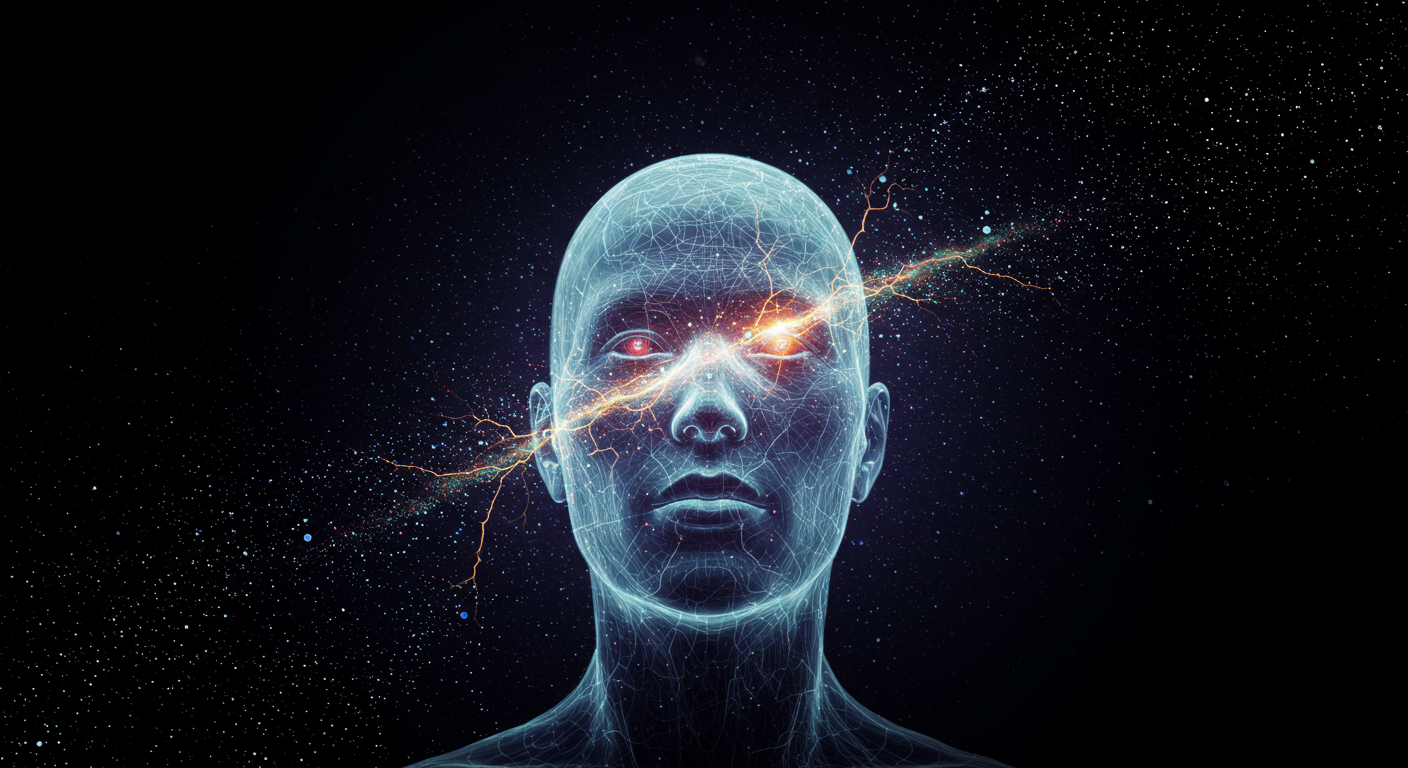
“죽음”은 오랫동안 인간이 피할 수 없는 숙명으로 여겨져 왔다. 그러나 기술이 폭발적으로 발전하면서 이 고정된 운명에 균열이 생기기 시작했다. 인간의 뇌를 완벽히 디지털화하여 의식을 저장하고, 나아가 새로운 몸이나 가상 공간으로 옮겨 ‘영원히 존재’하는 시대, 이른바 ‘디지털 영생(Digital Immortality)’이 현실로 다가오고 있다.
디지털 영생의 핵심은 인간의 뇌에서 발생하는 정보, 즉 의식과 기억, 사고 방식을 데이터 형태로 추출해 저장하는 것이다. 이를 ‘의식 업로드(consciousness uploading)’라고 부른다. 우리의 사고는 신경세포 간의 전기 신호와 화학 반응으로 이루어지는데, 이를 정밀하게 분석하고 복제한다면 뇌의 기능을 디지털 시스템으로 옮길 수 있다. 현재 과학자들은 초고해상도 뇌 스캔 기술과 인공지능 기반 신경망 모델을 결합해 이 목표를 향해 다가가고 있다.
만약 이 기술이 실현된다면 어떤 변화가 일어날까? 우선 인간의 ‘죽음’ 개념 자체가 달라진다. 신체는 노화와 질병으로 소멸하더라도, 뇌의 정보는 디지털 서버나 로봇, 가상 환경 속에서 계속 살아 있을 수 있다. 이는 단순한 수명 연장을 넘어 ‘존재의 연속성’을 보장하는 것이다. 사람은 죽지 않고, 단지 ‘형태’를 바꿔 살아가는 것이다.
실제로 몇몇 기업은 이미 인간 기억과 성격 패턴을 클라우드 서버에 저장하는 연구를 진행하고 있으며, 뇌에서 수집한 데이터를 기반으로 가상 인간을 구현하는 실험도 이루어지고 있다. 미래에는 사랑하는 사람의 디지털 의식과 대화하고, 사망한 과학자의 지능을 복제해 연구를 이어가는 것도 가능해질 수 있다.
이 기술은 의료에도 혁신을 가져온다. 알츠하이머병 등 퇴행성 질환으로 손상된 기억을 디지털 백업으로 복원하거나, 뇌 손상 환자의 인지 기능을 가상 환경에서 재활시킬 수 있다. 또한 우주 탐사, 심해 연구 등 인간의 육체가 견디기 힘든 환경에서도 ‘디지털 자아’가 대신 활동할 수 있다.
그러나 의식 업로드가 현실화될 경우 해결해야 할 철학적·윤리적 문제는 매우 깊다. 업로드된 디지털 자아가 과연 ‘나’라고 할 수 있는가? 원본이 존재하는 상태에서 복제된 의식이 생성된다면, 두 존재 중 어느 쪽이 진짜일까? 또한 디지털 존재의 권리, 소유권, 법적 지위 문제도 반드시 논의되어야 한다.
경제·사회 구조 역시 크게 변할 것이다. 죽지 않는 인간이 등장하면 노동 시장, 연금 제도, 부의 축적 구조까지 모두 재설계가 필요하다. 동시에 특정 계층만이 디지털 영생을 누릴 경우 심각한 불평등 문제가 발생할 수 있다.
그럼에도 불구하고 디지털 영생은 단순한 SF의 상상이 아니다. 뇌-컴퓨터 인터페이스, 고해상도 신경매핑, 인공지능 학습 알고리즘 등 핵심 기술은 이미 현실에 들어섰고, 수십 년 안에 의식 업로드의 초기 형태가 구현될 가능성도 높다.
디지털 영생은 결국 인간이 “죽음을 극복하려는 본능”의 최종 진화다. 육체를 초월한 지능, 무한히 확장 가능한 자아, 시대를 넘어 이어지는 존재. 그것은 인간이 신체를 버리고도 ‘나’로 존재할 수 있는 새로운 정의를 의미한다. 그리고 그 미래는 생각보다 훨씬 가까이에 와 있다.
본 블로그 글은 단순한 참고용이며 어떠한 법적, 재정적 또는 전문적인 책임도 지지 않습니다. 제시된 정확성, 무결성 및 최신 정보는 보장되지 않으며 이러한 데이터를 기반으로 한 모든 조치는 전적으로 귀하에게 책임이 있습니다. 더 신뢰할 수 있고 정확한 정보를 얻기 위해 관련 공식 웹사이트와 전문 자료를 반드시 확인하십시오.
English
“Death” has long been considered humanity’s unavoidable destiny. But as technology advances at an exponential pace, that fate is being challenged. The idea of digitizing the human brain — storing consciousness and transferring it into new bodies or virtual spaces to achieve “eternal existence” — known as “digital immortality,” is rapidly moving from science fiction to reality.
At the heart of digital immortality lies the extraction and storage of the brain’s information — consciousness, memory, and thought — as data. This is known as “consciousness uploading.” Human thought is generated by electrical signals and chemical reactions among neurons. If these can be precisely mapped and replicated, the brain’s function could theoretically be transferred to a digital system. Scientists are now combining ultra-high-resolution brain scans with AI-based neural models to make this vision possible.
If realized, this technology could radically transform human existence. The concept of “death” would change fundamentally. Even if the body succumbs to aging or disease, the mind could continue to exist within a server, a robotic body, or a virtual environment. It’s not just life extension — it’s continuity of identity. Humans would no longer die; they would simply change form.
Some companies are already experimenting with storing human memories and personality patterns on cloud servers, while others are attempting to recreate virtual humans from brain-derived data. In the future, it may be possible to talk to the digital consciousness of a loved one or continue a scientist’s research long after their physical death.
Medical applications are equally revolutionary. Damaged memories from neurodegenerative diseases like Alzheimer’s could be restored from digital backups. Cognitive functions could be rehabilitated in virtual environments. And digital selves could explore hostile environments — deep space or the ocean floor — where biological bodies cannot survive.
Yet the philosophical and ethical questions surrounding consciousness uploading are profound. Would a digital copy truly be “you”? If the original still exists while a replica is created, which one is the real person? Issues of rights, ownership, and legal status for digital entities will also need to be addressed.
The economic and social implications are equally significant. Immortal humans would upend labor markets, pension systems, and wealth distribution. And if digital immortality is accessible only to the wealthy, inequality could reach unprecedented levels.
Despite these challenges, digital immortality is no longer science fiction. Technologies like brain-computer interfaces, high-resolution neural mapping, and AI neural modeling are already here, and the first stages of consciousness uploading could emerge within decades.
Ultimately, digital immortality represents the final evolution of humanity’s instinct to conquer death. It promises disembodied intelligence, infinitely expanding identity, and existence that transcends time. It redefines what it means to be human — and that future is much closer than we think.
This blog post is for your information only and does not take any legal, financial or professional responsibility. The accuracy, integrity and up-to-date information presented is not guaranteed, and you are fully responsible for any action based on this data. Be sure to check the relevant official website and professional materials for more reliable and accurate information.
中文
“死亡”一直被认为是人类无法逃避的宿命。然而,随着科技的爆炸式发展,这一命运正在被重新书写。通过将人类大脑数字化、将意识储存并转移到新的身体或虚拟空间中,从而实现“永恒存在”的“数字永生”正在从科幻走向现实。
数字永生的核心是提取并存储大脑中的信息——意识、记忆和思维,并将其转化为数据,这一过程被称为“意识上传”。人类的思想是由神经元之间的电信号和化学反应产生的。如果能够精确地映射和复制这些过程,大脑的功能理论上就可以迁移到数字系统中。科学家正在利用超高分辨率脑扫描和人工智能神经模型向这一目标迈进。
一旦实现,这项技术将彻底改变人类的存在方式。“死亡”的定义将被重新书写。即使身体因衰老或疾病而衰亡,大脑信息也可以继续存在于服务器、机器人身体或虚拟世界中。这不仅仅是延长寿命,而是“身份的连续性”——人类不再死亡,只是换了一种存在形式。
目前,一些企业已经开始尝试将人类记忆和性格模式储存在云端服务器上,另一些团队则尝试根据大脑数据重建“虚拟人类”。未来,人们或许可以与已故亲人的数字意识对话,或者让伟大科学家的智能在去世后继续研究。
医疗领域同样将被颠覆。阿尔茨海默症等神经退行性疾病造成的记忆损伤有望通过数字备份得到恢复,认知功能也可以在虚拟环境中进行重建。而数字自我还可以探索深空、深海等人类肉体无法承受的极端环境。
然而,意识上传也带来了深刻的哲学与伦理问题。数字复制体是否还是“你”自己?如果原本的人还在,而一个复制的意识被创建,那么哪个才是真正的“你”?数字存在的权利、所有权和法律地位也必须重新定义。
经济和社会结构也将发生巨大变化。如果人类不再死亡,劳动力市场、养老金制度、财富分配体系都需要重新设计。如果只有富人才能获得数字永生,社会不平等将被进一步放大。
尽管如此,数字永生已不再是空想。脑机接口、高分辨率神经映射和人工智能算法等关键技术已经出现,意识上传的初级形式可能在几十年内实现。
数字永生是人类“战胜死亡本能”的终极进化。它意味着脱离肉体的智慧、无限扩展的自我,以及超越时间的存在。这将彻底重新定义“人类”的意义,而这一未来,比我们想象的要近得多。
本博客文章仅供简单参考,不承担任何法律、财政或专业责任。 所提出的准确性、完整性和最新信息得不到保证,基于这些资料采取的所有措施完全由你负责。 请务必查看相关官方网站和专业资料,以获得更可靠、准确的信息。